




Credit Repair. Increase Your Credit Score!
Why You Shouldn’t Let Old Accounts Fall Off Credit Reports
When repairing your credit, you have to take the initiative and see what is being reported to the credit bureaus. You may find after checking your credit report that you owe some old debts from years gone by. It can be tempting to continue ignoring these debts since the creditor has not pursued them but doing so can be bad for your credit score.
Repay for Repair?
Some debtors choose to let debts fall from their credit reports after seven years since the time they stopped making payments on their account. They wait for the time to have past rather than spend the money to repay the original debt. While it is true that old debts will expire from the report and you’ll have saved yourself some money, there is no guarantee it will not hurt your credit. Read more…
Credit Repair Don’t: Dispute Everything On Your Credit Report
When you repair your credit, there are steps you must take to ensure your credit history is correct and always up to date, otherwise it can reflect poorly on your credit score. In order to keep accurate information contained in your report, you may need to file a dispute to the credit reporting bureaus to correct the error. But be cautious – if you try to dispute data by yourself, make sure that is in fact true or your dispute may be dismissed as frivolous.
How Investigations Work
The credit reporting bureaus receive data from creditors on a monthly basis. The information shows how you manage your credit, pay your bills, the amount of credit you are extended and have used, and the type of account you have. The credit bureaus take this information and compile it into a history report. Because the data is managed by humans, there is always a chance some of the information may be reported incorrectly. A consumer has a responsibility to check their information and make sure it is correct. They can do this by order a copy of their credit report and reviewing each detail.
Once a consumer notices errors, they should complete the credit bureaus form for filing a dispute. The information that is incorrect should be reported to the bureau which will then lead to an investigation by the credit reporting agency. The bureau will then contact the creditor with questions about the information being reported. During a 30 day period the creditor must respond with the corrected information, prove the information is being reported as accurate, or they may not respond at all. If corrected information is provided, the credit bureau will change it on the report for the consumer. If the information is accurate, the consumer will be alerted. If the creditor does not reply at all, the information will be eliminated from the consumer’s report. Consumers will receive written correspondence with the results of the investigation that details any action taken. Truth be told, it can be a tedious process.
In the event you were denied credit due to incorrect information being reported, the consumer credit bureau will send a corrected copy of your credit report to anyone that had received a copy of your report within a two year time frame. In order to instigate this action, a consumer must request this be done in writing by the consumer.
Disputing Real Issues
There are some inexperienced agencies that will attempt to file disputes on all of your credit information in the hopes some creditors will not respond and the information will be eliminated, which is discouraged. Only a handful of credit repairing agencies have the expertise and experience to be able to decipher what should be disputed and what should be left alone.
If doing it yourself, remember that the credit reporting agency has the right to refuse an investigation if they feel the dispute is frivolous, so you should be well informed before attempting. If you have several legitimate disputes, you should file them as soon as you have discovered the inaccurate information. However, keep in mind that filing too many disputes in an effort to have information removed can be detrimental to your credit repair success.
Once a dispute is filed, be sure to follow up regularly to ensure the information is correct. Many consumers will make the mistake of doing the initial work and letting the rest fall by the wayside. If inaccurate information remains on your credit report, your score will not improve.
Too Many Disputes Could Be “Frivolous”
If you send too many disputes at one time, the credit bureau can decide these disputes are frivolous and refuse to process the disputes. The law allows them to do this. When this happens, none of your disputes are processed and nothing is removed from your credit report.
The only exception is when you’ve been a victim of identity theft and none of the accounts on your credit report belong to you. Even then, you should have documentation, like an ID theft report or affidavit, showing that the accounts were fraudulently opened. Read more…
Do You Need a Credit Repair Company?
As lenders continue to implement more aggressive qualifications for loan approval, consumers must be diligent in maintaining or improving their credit history and credit score. What may have been considered a good score a few years ago simply will not do the trick in today’s economy if you are shopping for a loan. In some cases your credit may be good enough to qualify for a loan but at higher interest rates than those offered to individuals with even better credit. Lenders are not the only people considering your credit history; insurance companies and employers also consider how you have managed your finances in the past when reviewing applications. If you have bad credit, your first priority to better improve your personal finances is credit repair. There are plenty of ways to achieve this goal with one of your options being a credit repair company. Read more…
What is Bad Credit, How We Get it and How to Escape it
Credit is your willingness and ability to pay back money you’ve borrowed. Unfortunately for some, your credit is measured by how you’ve handled credit cards and loans in the past.
If you have good credit, you’ve paid your bills on time and you haven’t taken on more than you can afford. On the other hand, people with bad credit have not paid their bills on time and have, more often than not, overextended themselves with borrowing.
Bad credit is most often defined by a credit score – which is a numerical summary of the information in your credit report. A credit report contains information about all your credit and loan accounts – when the account was open, how much you borrowed, and whether you paid on time. Read more…
The Truth About Free Credit Reports and Credit Scores
Remember those FreeCreditReport.com commercials? You used to see them all the time when you watched television late at night. Now, you don’t really see them anymore. That’s because the federal government made it a rule that any website offering a free credit report had to include a prominent disclosure. The disclosure had to reveal that the true place to obtain your legally-free credit report was through AnnualCreditReport.com. Radio and television advertisements for free credit reports will soon have to do the same thing.
Those credit reports that used to be free, now cost at least $1. It’s how free credit report companies get around the government-required disclosure. However, it still stands true that the only place to get a truly free credit report is through AnnualCreditReport.com. Read more…
How To Construct a Credit Dispute Letter to Your Creditors
In order to repair your credit, you will first need to know what your credit report says about you. The first step in credit repair is ordering copies of your credit reports from the three major reporting agencies: Experian, Equifax, and TransUnion. Once received, you need to carefully review all information contained in the report. Check for accuracy line by line. Because the reports are subject to human error, it is more than likely your credit score has been decreased due to erroneous information. Read more…
How to Organize Your Debt Payments
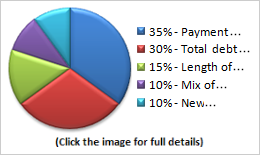
Credit repair and getting out of debt go hand-in-hand. After all, your level of debt affects 30% of your credit score. The higher your credit card balances are compared to their credit limits, the more your credit score will be hurt. Similarly, when your loan balances are high compared to the original loan amount, your credit score takes a hit. This ratio of debt to credit limit (or loan amount) is known as credit utilization or how much of your available credit is being used.
While paying down debt will repair your credit score, you must make sure you’re paying off debts in the right order. Otherwise, you’ll be lowering your debt, but your credit score could go up only a little.
Pay Off Credit Cards Based on Credit Utilization
To figure out which debts you need to pay off first, it helps to consider how your credit score looks at your level of debt. Since higher credit utilizations hurt your credit score most, you should focus on lowering your credit card balances for all credit utilizations over 30%.
Figure out the credit utilization for each of your credit cards. To do this, divide your credit card balance by your credit limit. For example, if you have a credit card with a $500 limit and a $300 balance you would do this calculation 300 / 500 = 0.6 or 60% credit utilization. Let’s say you also have a credit card with a $600 balance and a $1,500 credit limit, the credit utilization for that credit card is 40%.
If you were focused on paying off the two credit cards above, you might start with the $600 credit card balance because it’s the highest. However, that credit card has the lowest credit utilization. It would be most helpful to pay down the $300 balance to at least $150, then the $600 to at least $450. That would bring your credit utilization for both cards to 30% for each credit card. After that point, you can work on paying off whichever credit card you choose.
What About Loans?
While high loan balances do affect your credit score, they don’t have as severe of an impact on your credit score as credit card balances. If you have both credit card and loan debt, focus on bringing down your credit card balances first. Then, you can continue repairing your credit by paying on your loans.
Always Keep Up With Minimum Payments
It’s better to make lump sum payments on a single debt than to spread your higher payments among all your debts. In other words, you should put your extra $150 toward a single debt instead of paying an extra $25 to this debt, $50 to that debt, and $75 to another debt. You’ll get rid of debts faster by paying lump sums on your debts.
Even though you’re paying a lump sum on one debt, you should continue making minimum payments on all your other debts. Missing your minimum payment will hurt your credit score and set back your credit repair progress.
Common Questions About Credit Repair
As you prepare to get your credit back on track, you undoubtedly have some questions about credit repair. Where should you start? What should you repair? Are those credit repair ads really true? Read on to get answers to some common questions about credit repair.
Is credit repair legal?
Yes, credit repair is legal. In fact, there are Federal laws that can help make sure you can improve your credit. The Fair Credit Reporting Act (FCRA) gives you the right to an accurate credit report and lets you dispute inaccurate credit report information with the credit bureaus or the information furnisher. The Credit Repair Organizations Act (CROA) makes sure credit repair companies don’t take advantage of you. Certain tactics, like creating a separate identity using an employer id number (EIN), are illegal. Read more…
Credit Repair – Getting More Positive Into Your Credit Report
When you are working to repair your credit, you need to counteract the negative impact of poor credit with more positive information. If you are recovering from a personal financial setback that has caused credit problems or if you have yet to establish a credit history for yourself, you need to pump some positive into your financial situation.
While repairing credit is not an overnight task, you can improve your credit score by large margins over a period of time if you practice consistency and follow through in your repair efforts.
Here are some ways you can incorporate positive marks into your credit score: Read more…
How Should You Deal With Past Due Accounts?
Repairing your credit involves taking care of accounts that have become past due. These delinquent accounts hurt your credit score the most because credit history has the biggest impact on your credit score. In fact, payment history is 35% of your credit score. No other factor has as significant impact on your credit score.
Types of Past Due Accounts
There are several different types of delinquencies that affect your credit score. Read more…
How Credit Cards Can Help Your Credit Score Improve
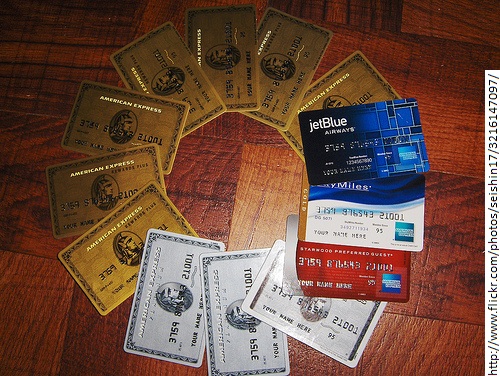
With the recent fallout of credit card debts, many consumers feel that credit cards are the root of all evil and credit repair will fix that. But in a twist of the old cliché, credit cards don’t spend themselves. It is the consumers’ lack of budgeting and the lack of knowledge as to how credit works that has gotten many into hot water.
Credit cards are not inherently evil. They actually serve many purposes and can be a tool used to improve a consumer credit score and repair credit histories. The key is to use credit cards to your advantage and not be taken advantage of by impulsive spending. Read more…
The 50 Best Financial Advice Blogs
Since I’m a relatively new blogger, I’d like to take the time to honor the sites that I’ve drawn on for inspiration over the past months while writing about credit repair. These blogs all incorporate very unique voices to offer clever and passionate musings concerning personal finance, and life in general. Scattered throughout this list are the top sites for general personal finance advice, as well as a sample of those devoted to specific money management topics and targeting particular demographics. I don’t know how much the number order matters…the last blog on the list is certainly as helpful as number 1!
The 50 Best Financial Advice Blogs: Read more…
How Do You Close Out Credit Card Accounts?
While it is never advisable to close out all of your credit card accounts simultaneously, it can be good practice to downsize the amount of credit you have in order to repair your credit score. The key to closing accounts is to do it correctly. Otherwise, it can end up harming your credit in the long run.
Here are 7 steps to take when you want to close out your credit card accounts for good:
1. Decide Your Route
If you are interested in closing accounts because you have too many cards, you may want to consider which cards you truly no longer need. Never close the accounts you have had for the longest period of time. Doing so can decrease your credit score and make repairing your credit harder, since the length of time you have had the account is a factor in determining your credit score. Close only the accounts you do not use that have been opened recently. Read more…
Why Closing Your Credit Card Accounts Doesn’t Always Make Sense?
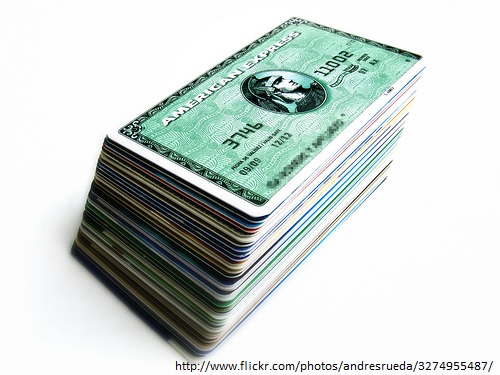 When the credit card chaos erupted in the last few years and people finally began to realize the damage they were doing to their credit scores by overextending their credit, many made the mistake of shutting down credit card accounts completely. It was thought that closing the accounts would end the temptations of spending more.
However, as people paid more attention to their credit histories and worked hard to repair their credit scores, they realized that closing their card accounts was a mistake. They had actually hurt their scores by taking away part of their credit histories and made credit repair harder. Read more…
Does Debt Management Assistance Hurt Your Credit?
 Some people are consumed with debt and feel the walls quickly caving in. They feel they can not make it on their own and have no where else to turn. Many will make the mistake and totally give up. They will stop making any kind of payments and soon the debt collectors are incessantly calling with threats of legal action. When people get to the point of no return, it can be difficult to know what to do next. They must look outside themselves for financial help which can be a hard first-step to take.
What Are Debt Management and Credit Repair Services?
There are credit repair and debt management agencies that specialize in helping consumers better manage their debts. These services evaluate your debts, come up with a budget based on your income, and plan out the most reasonable way for an individual to become debt-free based on their income and other financial obligations. Read more…
Let's connect!