




Home > How to Avoid Bad Credit > Why You Shouldn’t Let Old Accounts Fall Off ...
Why You Shouldn’t Let Old Accounts Fall Off Credit Reports
Posted on September 24, 2010
When repairing your credit, you have to take the initiative and see what is being reported to the credit bureaus. You may find after checking your credit report that you owe some old debts from years gone by. It can be tempting to continue ignoring these debts since the creditor has not pursued them but doing so can be bad for your credit score.
Repay for Repair?
Some debtors choose to let debts fall from their credit reports after seven years since the time they stopped making payments on their account. They wait for the time to have past rather than spend the money to repay the original debt. While it is true that old debts will expire from the report and you’ll have saved yourself some money, there is no guarantee it will not hurt your credit.
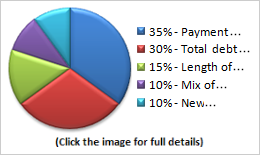
The FICO score is a complex calculation used to gauge a person’s credit worthiness. It is compiled from the information being reported to the credit bureaus by your creditors. When an old debt drops off a credit report, it can actually hurt your score. Interestingly, the FICO calculation will group debts using specific characteristic. For example, if you have been through a bankruptcy, the group you are placed in may put you at the top of the list. Once the bankruptcy is removed from your credit report, you move to another group where you will be listed at the bottom.
When you move from the top of one group to the bottom of another group, your credit score can drop quite few dozen points with no specific reason behind it. FICO has worked to improve the transition by creating NextGen, a new credit-scoring system. Since most lenders still use the traditional FICO system for scoring, there is still a threat to your credit score.
Fallen Debts Come Back to Haunt
If you have chosen to let old debts die off, you may not be free and clear just yet. In some situations, specifically when you want to buy a home, you may be required by the lender to pay off old debts in full before being approved for a loan. Any open debts or debts that need to be eliminated can be a condition of many loans.
You have the option to negotiate a settlement with your creditors directly. It is advised that part of your negotiation process involves an agreement by the creditor to stop reporting information to the credit bureau or request that the account be listed as ‘paid as agreed’ instead of being listed as ‘settled’ on the credit report. This can help raise your credit score as well as improving the chance of loan approval. There is no guarantee a creditor will agree to the request but it certainly can help you credit wise if they will.
It is in your best interest to completely eliminate all debts in an effort to rebuild your credit. This will help you avoid future incidents of debt collections and decreases in your credit score. Eliminating debts will have a positive affect on your score and credit worthiness, which can be important in the future should you need additionally financing assistance with a vehicle or a mortgage loan.
Similar Posts:
- How You Handle Debt Affects Your Credit Score
- How to Know If Bankruptcy is Right? Types and Consequences
- How to Repair Your Credit After Debt Settlement
- How to Repair Credit After a Lender “Charge Off”
- How Are Collection Accounts Handled on a Credit Report?
Let's connect!